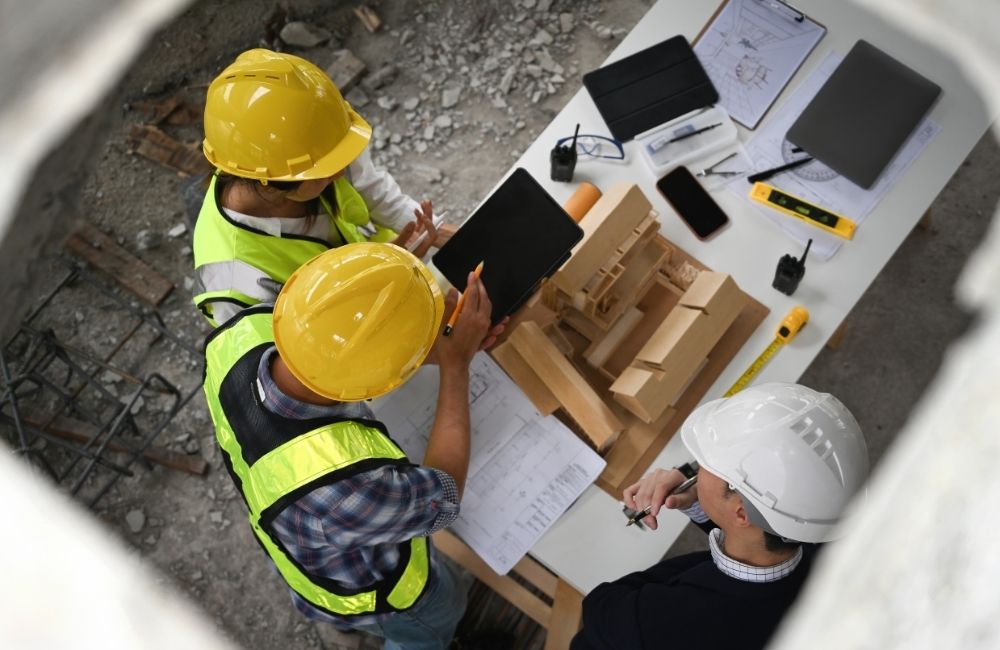
A successful commercial project starts long before the first structure takes shape. The way a property is evaluated, prepared, organized, and managed can influence the entire outcome of the build. From grading and excavation to access points, utilities, equipment flow, and safety planning, every detail on a Construction Site plays a role in keeping the project efficient, controlled, and ready for long term performance.
Commercial construction requires more than materials and labor. It requires coordination between owners, engineers, contractors, designers, inspectors, and trade teams. When site planning is handled with precision, each phase of the project can move forward with fewer disruptions and stronger communication. This is especially important for complex developments such as retail centers, healthcare facilities, carwash facilities, restaurants, office buildings, and tenant improvement projects.
The Foundation of a Well Managed Build
A construction site must be planned around the specific needs of the project. Before major work begins, teams need to understand the property conditions, access limitations, drainage requirements, soil conditions, existing structures, utility connections, and local code expectations. These early decisions help prevent avoidable delays once crews and equipment are active on site.
Strong planning also supports cost control. When logistics are clear, materials can be delivered more efficiently, equipment can be placed strategically, and trade teams can work with fewer conflicts. This creates a smoother workflow and helps reduce the risk of schedule interruptions.
Site Preparation That Supports Progress
Site preparation may include demolition, clearing, excavation, grading, hauling, structural concrete, paving, drainage preparation, and other early-stage work. These steps create the physical foundation for everything that follows. If site preparation is rushed or poorly coordinated, later phases may face costly corrections.
For commercial properties, preparation must also account for how the finished space will operate. A carwash facility needs efficient traffic flow and drainage. A healthcare building needs careful planning around accessibility and compliance. A retail center needs parking, customer movement, loading areas, and visibility. Every project type brings different demands, and the construction site must be prepared with those end goals in mind.
Coordination Across Every Phase
A productive Construction Site depends on communication. Project managers, field crews, subcontractors, suppliers, and clients must stay aligned on schedule, responsibilities, inspections, and changes. When communication is organized, the site becomes easier to manage and decisions can be made faster.
This is where experienced construction leadership matters. A team with design, engineering, contracting, and self-performing capabilities can better understand how early site decisions affect later phases. Sunpeak’s work across commercial construction, healthcare buildings, retail centers, carwash facilities, tenant improvement, excavation, structural concrete, and asphalt paving reflects the importance of managing construction from a broad project perspective.
Safety, Access, and Workflow
Every active jobsite must be organized with safety and movement in mind. Workers need clear access routes, equipment must be positioned properly, and materials should be stored in ways that support efficiency without creating hazards. A clean, controlled site can help improve productivity and reduce unnecessary confusion.
Planning also helps protect nearby businesses, pedestrians, neighboring properties, and ongoing operations. This is especially valuable when projects take place in active commercial areas, medical environments, retail locations, or tenant spaces where downtime and disruption need to be carefully managed.
Building Better Results From the Ground Up
The strength of a commercial project often begins with the quality of its site planning. When the land, logistics, utilities, schedule, safety standards, and construction phases are properly coordinated, the entire build has a stronger chance of moving forward efficiently.
A well managed construction site supports more than the work being done today. It helps create durable buildings, functional spaces, smoother operations, and better long term value for property owners and developers. With experienced planning and execution, commercial construction can move from concept to completion with greater confidence and control.
