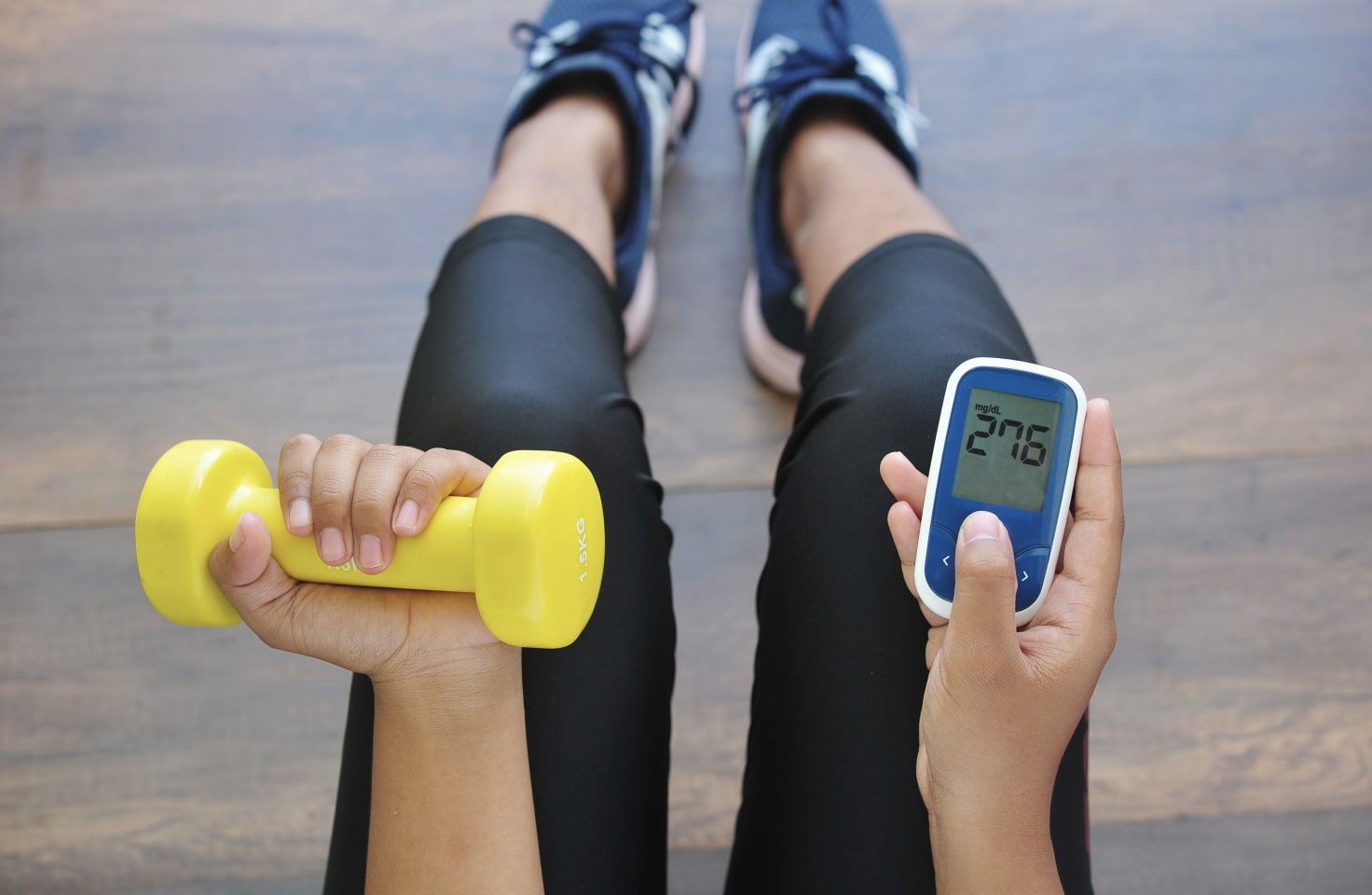
Movement feels better when your glucose plan moves with you
Exercise with type 1 diabetes is rarely the same twice. A walk may lower glucose one day but barely affect it the next. Food, insulin, stress, sleep, heat, and workout length can all change the result. That may sound like a lot to manage, but patterns become clearer with steady tracking. We wrote this guide to help people prepare, respond, and learn without treating movement as something to fear. A safer routine can be developed around knowing how to exercise safely with type 1 diabetes while working with a diabetes care team. The aim is not to chase perfect glucose numbers during every workout. It is to reduce avoidable risk while keeping exercise useful and enjoyable.
This guide covers glucose checks, insulin on board, carbohydrates, workout types, and delayed lows. It also explains why the same plan may not fit running, lifting, swimming, or team sports. Aerobic activity often lowers glucose, while intense exercise or weight training may cause a temporary rise. Personal responses can differ, so your own records matter. You will learn what to keep nearby and which warning signs should end a session. We will also cover why glucose needs attention for several hours after activity. Exercise can increase insulin sensitivity and affect glucose for 24 hours or longer. Use this guide as a planning aid, not a replacement for personal medical advice.
What should you check before beginning your planned workout
Start by checking your glucose and noticing its direction. A steady reading may call for a different plan than a fast drop. A continuous glucose monitor can help, but symptoms should never be ignored. Think about recent meals, insulin doses, and active insulin still working in your body. Exercising soon after a full mealtime dose can raise the chance of hypoglycemia. Your care team can help you plan safe changes to insulin or food.
Before moving, check these basics
- Current glucose level and trend direction
- Recent food and rapid-acting insulin
- Planned workout type and expected length
- Access to fast-acting carbohydrates and identification
Delay activity when you feel unwell or cannot safely manage your glucose. If glucose is above 240 mg/dL, Breakthrough T1D advises checking for ketones before exercise. Moderate or large ketones are a reason to delay exercise and contact your diabetes team for advice. Keep water, glucose tablets, juice, or another fast carbohydrate close by. Tell a workout partner how to help during a low. A brief check before starting can prevent a rushed decision later.
How can you respond when glucose changes during activity
Glucose can rise, fall, or stay steady during exercise. The response often depends on workout intensity, timing, insulin levels, and recent food intake. Instead of guessing, use a simple plan created with your care team.
- Check glucose at useful points
Check before exercise and during long or unfamiliar sessions. Recheck when symptoms do not match your device reading. Pause when the trend shows a fast or unexpected drop.
- Keep fast carbohydrates within reach
Carry glucose tablets, gel, juice, or another measured option. Do not leave treatment in a distant locker or parked car. Treat lows according to your personal care plan.
- Notice how the workout type changes glucose
Walking, jogging, and steady cycling often lower blood glucose levels. Short bursts, hard intervals, or heavy lifting may raise it temporarily. Mixed workouts can create another pattern.
- Stop when your body sends warning signs
Shaking, sweating, confusion, weakness, or poor balance may signal hypoglycemia. Stop activity and check glucose when possible. Get help when you cannot treat the problem safely.
Why should glucose tracking continue after exercise ends
The workout may finish before its glucose effects do. Physical activity can make the body more sensitive to insulin for many hours. That may lead to a delayed low later in the day or overnight. Check glucose after exercise and again as directed by your care plan. Longer, harder, or unusual sessions may need closer review. Evening activity deserves added care because a low may occur during sleep.
Helpful post-workout habits include
- Record the activity type, length, and intensity
- Note glucose before, during, and after the session
- Track carbohydrates and insulin changes
- Watch for delayed drops during the next 24 hours
Do not copy someone else’s insulin plan from a gym chat or social post. Your response may differ even during the same workout. Review repeated patterns with your doctor or diabetes care and education specialist. Pump users may discuss temporary basal settings, while others may need different strategies. Breakthrough T1D notes that insulin adjustments depend on the type, duration, and intensity of exercise. A simple log can turn confusing changes into useful clues for future sessions.
Build an active routine through patience, practice, and support
Type 1 diabetes can require more planning for exercise, but it does not diminish the value of being active. A safer routine begins with glucose checks, available carbohydrates, and awareness of insulin on board. It continues after the workout because delayed glucose changes can still occur. We encourage you to work with your diabetes care team before starting a new program or changing insulin around exercise. Begin with an activity you enjoy and a pace you can repeat. Record what happens without judging every number as a success or failure. Patterns take time to appear, and plans often need small changes. Let your next workout be one more useful lesson, then carry what you learn into the session that follows.
