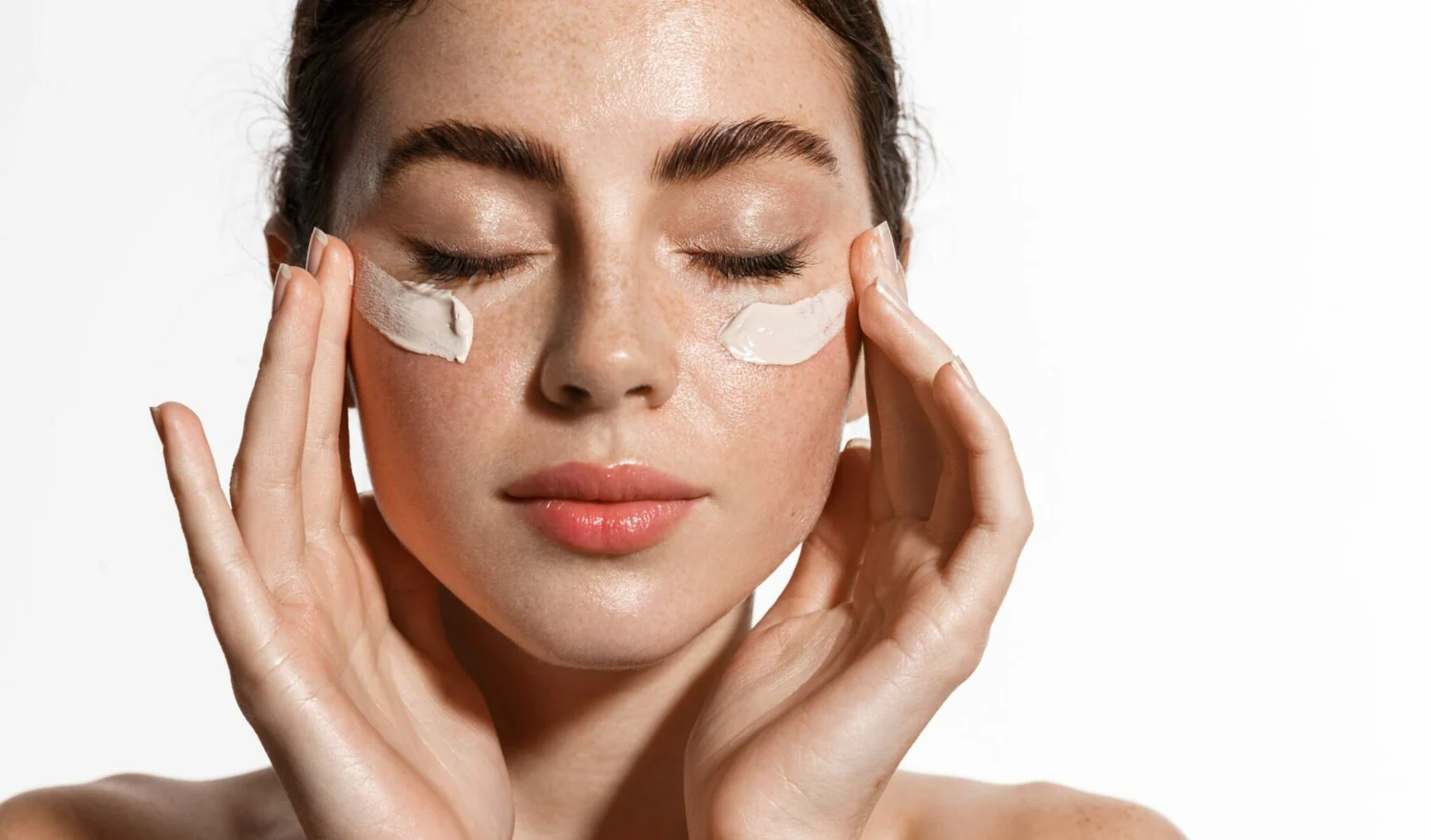
Hyperpigmentation, often appearing as dark spots or patches on the skin, is one of the most common cosmetic concerns faced by individuals of all skin types and tones. While there are many potential causes—sun exposure, hormonal changes, acne scarring, or aging—one question is frequently asked by those seeking a solution: How long does it take for hyperpigmentation creams to work?
If you’re using topical dark spots treatments and hoping for fast results, it’s essential to understand the science behind these creams, how your skin heals, and what influences the pace of recovery. Let’s dive into the factors that affect treatment timelines and how to set realistic expectations.
Understanding Hyperpigmentation and Its Causes
Before discussing timelines, it’s important to understand what you’re treating.
Hyperpigmentation occurs when excess melanin (the pigment responsible for skin color) is produced in certain areas of the skin. This can result in flat spots or patches that are darker than the surrounding skin. Common causes include:
- Post-inflammatory hyperpigmentation from acne, cuts, or burns
- Sun damage from prolonged UV exposure
- Hormonal changes, such as melasma during pregnancy
- Age-related pigmentation, like liver spots
Different causes require slightly different dark spots treatments, and the type of pigmentation you have will affect how long your chosen hyperpigmentation cream will take to show results.
How Hyperpigmentation Creams Work
Topical creams for hyperpigmentation are designed to reduce melanin production, lighten dark spots, and even out skin tone. They often contain active ingredients like:
- Vitamin C: A potent antioxidant that reduces melanin production
- Niacinamide: Helps fade dark spots and improve skin texture
- Licorice extract: A natural brightener with anti-inflammatory properties
- Retinoids: Accelerate cell turnover, revealing brighter skin
- Azelaic acid or kojic acid: Help reduce pigmentation over time
Each ingredient works at a different pace and interacts with skin in unique ways. That means no single timeline fits all. However, there are general patterns you can expect based on the formulation and skin condition.
What to Expect: General Timeline for Results
So, how long does it actually take for a hyperpigmentation cream to deliver visible results? Here’s a rough guide:
- Week 1–2: Initial Adaptation
In the early stages, your skin is adapting to the active ingredients. You may notice:
- Slight tingling or dryness (especially with retinoids or acids)
- Increased sensitivity, especially to sunlight
- No visible changes in pigmentation yet
Patience is key during this period. Avoid overuse or combining too many active products, as this can irritate the skin and delay progress.
- Week 3–6: Subtle Improvements
By this stage, many users begin to notice:
- A slight reduction in the intensity of dark spots
- Smoother skin texture
- A more even and radiant tone in the treated area
Cell turnover typically takes around 28 days, so consistent application is crucial. Many dark spots treatments require at least one full skin cycle to start working.
- Week 6–12: Noticeable Brightening
For most people, this is when results start to become clearly visible:
- Dark spots begin fading significantly
- The overall complexion appears more even
- Skin may look healthier and more vibrant
It’s important to continue using sunscreen daily during this time to prevent new spots from forming, which can undermine the effects of your hyperpigmentation cream.
- Month 3–6: Long-Term Maintenance
Deeper or more stubborn pigmentation—such as melasma or sun damage—may require three to six months of consistent treatment. The good news is, with time and dedication:
- Stubborn pigmentation can fade dramatically
- Recurrence is less likely with continued care
- The skin maintains a brighter and more youthful appearance
Factors That Affect How Quickly You See Results
Several factors influence how fast a hyperpigmentation cream will work:
- Skin Tone and Type
- Darker skin tones are more prone to hyperpigmentation and may take longer to fade spots due to the skin’s natural melanin response.
- Sensitive skin may require milder formulations, which can take longer to show results.
- Severity and Depth of Pigmentation
- Superficial spots caused by recent acne or sunburn usually respond quickly.
- Deep-rooted pigmentation, like melasma, requires longer treatment periods and sometimes combined approaches.
- Ingredient Strength
- Over-the-counter creams may work more slowly than dermatologist-prescribed products.
- However, lower concentrations are often gentler, which may be preferable for long-term use.
- Consistency of Use
- Sporadic application or skipping days reduces effectiveness.
- Daily application (as directed) yields better and faster results.
- Sun Exposure
- UV exposure can worsen pigmentation, so dark spots treatments should always be combined with diligent sun protection.
What to Do if You’re Not Seeing Results
If your hyperpigmentation cream doesn’t seem to be working after 8–12 weeks, consider the following:
- Double-check your routine: Are you using it consistently? Are you applying sunscreen?
- Evaluate ingredient compatibility: Are the actives appropriate for your skin type and condition?
- Consult a dermatologist: They can help identify if a prescription-strength formula or additional treatments are needed (like peels or lasers).
Sometimes, combining topical treatment with lifestyle changes—like better sun protection, a healthy diet, and avoiding triggers—can significantly improve outcomes.
Are There Faster Alternatives?
While topical dark spots treatments are effective, they require time. If you’re looking for faster (but more intensive) options, dermatologists may recommend:
- Chemical peels: Speed up skin renewal
- Microneedling: Promotes collagen and fades pigmentation
- Laser therapy: Targets deep pigmentation with precision
These treatments are more expensive and may involve downtime, but are sometimes necessary for severe cases.
Tips for Enhancing the Effectiveness of Your Cream
To get the most out of your hyperpigmentation cream, follow these tips:
- Use at night: Many actives work best while your skin is at rest.
- Hydrate regularly: Moisturized skin allows better absorption.
- Avoid harsh scrubs: These can inflame the skin and worsen pigmentation.
- Don’t mix too many actives: Layering products can cause irritation or reduce efficacy.
Patience Pays Off
When it comes to fading hyperpigmentation, there’s no magic overnight solution—but there is a path to clearer, more even-toned skin. Most users see visible improvement between 4 to 12 weeks of consistent use, with the best results appearing over time. Choosing a high-quality hyperpigmentation cream that suits your skin type—and using it as part of a complete skincare routine that includes sun protection—can help restore your skin’s natural glow.
Remember, skincare is a journey. Be patient, be consistent, and let your skin heal on its own timeline.
