Key Takeaways
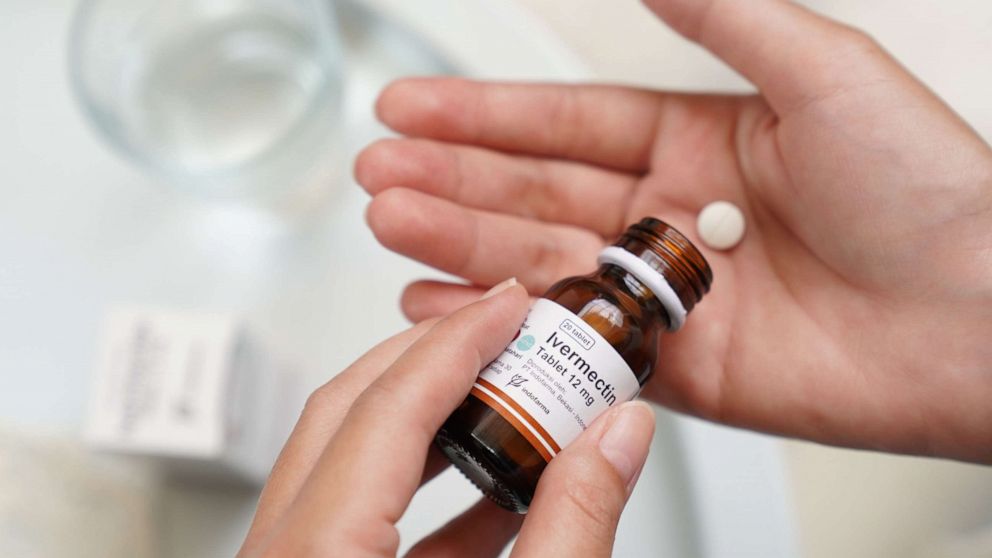
Pharmaceutical grade ivermectin represents a high standard, characterized by its exceptional purity, formulation, and adherence to regulatory requirements. These elements are key influencers of patient health outcomes.
With purity levels typically exceeding 99%, pharmaceutical grade ivermectin minimizes the chance of side effects and boosts the effectiveness of the medication for patients.
This category of medication adheres to Good Manufacturing Practices (GMP), promoting consistent quality, in contrast to non-pharmaceutical alternatives that often lack rigorous oversight.
Advanced formulations improve bioavailability, meaning patients need fewer doses, which can enhance adherence to treatment and lessen the incidence of side effects.
Hospitals that employ pharmaceutical grade ivermectin frequently report improved recovery rates. Some documented cases illustrate recovery times up to 50% quicker compared to lower-grade alternatives.
Confidence in the sourcing of pharmaceutical grade ivermectin hinges on validated certifications from recognized authorities, such as the FDA or EMA, along with transparent supply chains from distributors.
Ensuring regulatory compliance is not just a formality; it is essential for the safety of pharmaceutical grade ivermectin. Failing to meet standards can potentially lead to product recalls and significant legal ramifications.
What Sets Pharmaceutical Grade Ivermectin Apart from Other Forms?
The differences between pharmaceutical grade ivermectin and its counterparts are quite notable. Factors like purity, formulation, and compliance with regulatory standards position pharmaceutical grade as the superior choice. For patients exploring treatment options, grasping these distinctions could have a profound effect on their health outcomes.
The Role of Purity in Patient Safety
In healthcare, product purity is absolutely critical. Pharmaceutical grade ivermectin typically boasts a purity level above 99%. Why is this important? Impurities in medication can trigger undesirable side effects or lessen drug effectiveness. In numerous instances, contaminants can instigate adverse reactions, especially in sensitive patients.
Think about what might happen if a lower-grade formulation is administered. The margin for error shrinks remarkably when considering patient safety. Existing data illustrates that patients on lower-purity medications face a heightened risk of complications. Experts advocate for rigid adherence to quality standards to help alleviate these risks.
- Careful sourcing of medications can help avert health complications.
- High purity correlates with reduced side effects.
- Drug effectiveness reliably increases at higher purity levels.
Comparing Production Standards: Pharmaceutical vs. Non-Pharmaceutical
Examining the production processes uncovers stark differences between pharmaceutical and non-pharmaceutical ivermectin products. Pharmaceutical grade ivermectin originates in facilities that strictly comply with Good Manufacturing Practices (GMP), ensuring consistent quality and safety through the lifespan of the medication.
Conversely, non-pharmaceutical options often exist without proper oversight. These products may be manufactured in environments lacking regulation, resulting in variability in dosing and possible contamination. This inconsistency poses significant risks and can hamper effective treatment.
Finding top-tier pharmaceutical grade ivermectin can genuinely save lives. Patients deserve medications that meet rigorous safety standards.
- Compliance with GMP is indicative of trusted pharmaceutical products.
- Non-pharmaceutical alternatives often operate under less rigorous conditions.
- Pharmaceutical testing protocols are thorough, ensuring trustworthiness.
How Quality Ivermectin Enhances Treatment Efficacy
Quality isn’t a mere abstract idea; it has real, measurable impacts on treatment efficacy. When effective formulations are provided to patients, outcomes improve significantly. What’s happening in the realm of pharmacokinetics? Let’s delve into it.
Impact of Formulation on Bioavailability
Bioavailability pertains to the extent and velocity at which the active ingredient enters systemic circulation. The formulation of the drug plays an essential role here. Often, pharmaceutical grade ivermectin employs advanced formulations that enhance absorption. This translation means patients can experience a more powerful effect with a lower dose, thereby minimizing side effects.
Typically, higher bioavailability results in fewer doses over time. This dynamic can substantially enhance treatment adherence. For instance, a well-formulated ivermectin product might require administration just once a day, starkly contrasting with alternatives that demand multiple doses.
- Improved bioavailability enhances treatment adherence.
- Less frequent dosing simplifies the medication regimen for patients.
- Rapid onset of action may contribute to quicker recovery times.
Real-World Success Stories: Effective Health Outcomes
Case studies provide concrete examples of how crucial quality is in meeting health goals. Facilities that prioritize pharmaceutical grade ivermectin frequently report superior recovery rates. Patients receiving high-quality formulations often experience faster resolution of symptoms.
A notable illustration comes from a tropical clinic focused on treating parasitic infections. Patients using pharmaceutical grade ivermectin displayed recovery rates up to 50% faster than those on lower-quality products. This compelling disparity reinforces the belief that quality truly matters.
Quality doesn’t merely enhance outcomes; it has the power to redefine them, especially in critical scenarios.
- Case studies frequently reveal trends toward better recovery times.
- Patient experiences generally highlight significant differences in treatment outcomes.
- Healthcare facilities that standardize on quality tend to see increased patient satisfaction.
Where to Source Reliable Pharmaceutical Grade Ivermectin
Sourcing reliable suppliers for pharmaceutical grade ivermectin can be challenging. With counterfeit and substandard products saturating the market, healthcare professionals must navigate this environment cautiously. The stakes surrounding patient outcomes are considerable.
Identifying Certified Suppliers: Key Indicators
When seeking suppliers, particular indicators can assist in assessing a seller’s reliability. Certification by bodies such as the FDA or EMA is essential. A lack of accreditation should raise immediate concerns. Furthermore, a supplier’s supply chain transparency ought to be a standard expectation.
Trust is further cultivated through clear communication. Suppliers who willingly provide documentation regarding production methods and testing outcomes are more likely to be committed to quality. Healthcare professionals must feel empowered to inquire about sourcing and handling practices from potential suppliers.
- Seek FDA or EMA certifications.
- Work only with suppliers that maintain transparent supply chains.
- Ask for documentation validating sourcing practices.
Understanding Regulatory Compliance and Its Importance
Regulatory compliance serves as a cornerstone for ensuring safety in pharmaceutical grade ivermectin. Familiarity with regulations across different regions can reshape perceptions of product safety. Healthcare providers must remain vigilant regarding the compliance standing of their sources.
Failing to comply can result in severe consequences. Problems can range from product recalls to legal difficulties. Consequently, assured compliance is vital; it not only secures patient safety but also maintains the integrity of healthcare systems overall.
- Regulations evolve—stay informed about compliance matters.
- Non-compliance can result in recalls or other legal repercussions.
- Routine audits by authorities help uphold standards.
Why Choosing Quality Matters for Health Professionals
Professionals recognize that quality decisions lead to quality outcomes. When prescribing pharmaceutical grade ivermectin, physicians can have confidence knowing they are selecting a product that meets rigorous standards. This commitment reflects positively on both their practice and the patients they serve. A focus on quality should always be prioritized.
Guidelines for Prescribing: Best Practices in Ivermectin Usage
Creating a protocol for prescribing involves multiple dimensions. Best practices indicate that healthcare professionals should first examine product quality. This step ensures that prescribed medications align with safety and effectiveness standards. Ongoing education regarding medication options is vital.
- Regularly review product quality.
- Keep informed on new advancements in formulations.
- Utilize peer-reviewed research to inform prescriptions.
Long-Term Benefits of Quality Assurance in Medication
The long-term impact of quality assurance in medication is profound. As healthcare providers increasingly adopt superior medications like pharmaceutical grade ivermectin, patient outcomes improve and trust in the system strengthens. This creates a culture centered around safety, reliability, and exceptional patient care. Through a commitment to quality, enduring relationships with patients flourish.
Ultimately, every choice made by healthcare professionals resonates throughout their practice. Quality encompasses more than safety; it heralds a fresh era of effective treatment methodologies.
So, the core message remains: quality is critical in pharmaceuticals, particularly regarding ivermectin. By emphasizing stringent standards, healthcare professionals can guarantee that patients receive treatments that are proven to work.
FAQ
What are the long-term effects of using pharmaceutical grade ivermectin on public health?
Research suggests that increased utilization of pharmaceutical grade ivermectin could enhance public health outcomes. High-quality medications are linked to decreased rates of disease transmission and improved overall healthcare efficiency, which can lessen the burden on healthcare systems.
How does the formulation of ivermectin influence its shelf life?
The formulation significantly impacts the shelf life of ivermectin. Products that are pharmaceutical grade typically undergo thorough stability testing, ensuring they remain effective over prolonged periods. In comparison, lower-grade alternatives might not experience the same level of scrutiny, which could lead to a decline in effectiveness as time passes.
Are there alternatives to ivermectin for treating parasitic infections?
Certainly, alternatives exist, including medications like albendazole and diethylcarbamazine. However, selecting a treatment should always factor in the specific type of parasitic infection alongside the patient’s overall health. Experts advocate for consulting healthcare professionals for tailored treatment plans.
Can patients experience different reactions to pharmaceutical grade ivermectin than to lower-grade versions?
Absolutely. Many patients using pharmaceutical grade ivermectin report experiencing fewer side effects due to its superior purity and stringent quality control measures. Such formulations help minimize the chances of contaminants causing adverse reactions, thus improving overall safety for patients.
What trends are emerging in the research on ivermectin use?
Recent studies indicate a growing interest in the exploration of ivermectin’s effectiveness beyond its traditional role in treating parasitic infections, particularly focusing on its potential antiviral capabilities. Ongoing research seeks to broaden its utility while investigating the underlying mechanisms of its therapeutic effects.
How do international regulations affect the availability of pharmaceutical grade ivermectin?
International regulations largely influence the market dynamics for pharmaceutical grade ivermectin. Different standards around the world can affect supply chains and pricing strategies, making it crucial for healthcare providers to remain informed about local regulations and potential challenges in sourcing.
What practices should healthcare professionals adopt to ensure they prescribe quality ivermectin?
Healthcare professionals should implement best practices such as verifying supplier certifications, staying engaged with the latest research updates, and regularly reviewing the quality of prescribed products. Establishing a solid protocol in this regard is essential to guarantee patients receive the safest and most effective medications available.
How can patients verify the quality of ivermectin prescribed to them?
Patients can verify quality by inquiring with healthcare providers about where their medication originates. Looking for accredited certifications and ensuring there is transparency in the supply chain are also important steps. Additionally, consulting with reputable pharmacies recognized for their high standards is advisable.
Useful Resources
- S. Food and Drug Administration (FDA)
- European Medicines Agency (EMA)
- World Health Organization (WHO)
- National Center for Biotechnology Information (NCBI)
- Centers for Disease Control and Prevention (CDC)
- Pharmaceutical Research and Manufacturers of America (PhRMA)
- gov
- PubMed
- American Society of Tropical Medicine and Hygiene (ASTMH)
