Perimenopause is among the most significant physiological transitions in a woman’s life, and it is one of the least adequately supported by the general fitness industry. The hormonal changes that characterise perimenopause, which can begin as early as the late thirties and typically span four to ten years before menopause, create a constellation of physical and psychological symptoms that require thoughtful training approaches rather than simply continuing the exercise habits that worked in previous decades.
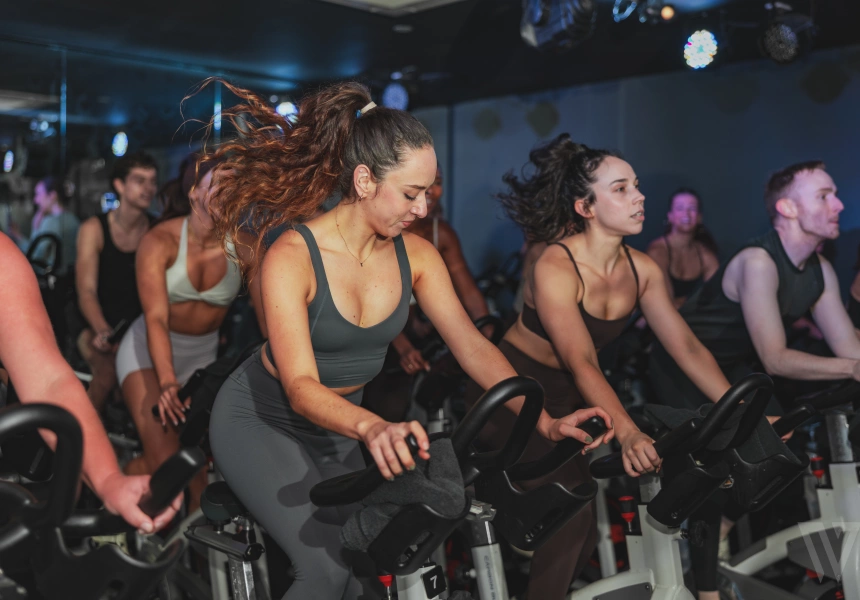
For women navigating this transition, the spin studio singapore environment offers a training format with specific characteristics that align well with the physiological needs of the perimenopausal phase. Understanding why requires examining both the hormonal changes of perimenopause and the specific physiological effects of indoor cycling training.
The Hormonal Landscape of Perimenopause
Perimenopause is characterised by irregular fluctuations in oestrogen and progesterone levels as ovarian function becomes increasingly erratic before eventually declining to post-menopausal levels. These hormonal fluctuations produce a wide range of physiological effects that directly influence exercise capacity, recovery, and training response:
Vasomotor symptoms: Hot flushes and night sweats, driven by hypothalamic thermoregulatory dysregulation in response to declining oestrogen, affect exercise comfort and sleep quality in ways that directly impact training capacity and recovery. Women experiencing significant vasomotor symptoms may find that high-intensity exercise triggers or worsens hot flushes, requiring intensity management strategies that balance training stimulus with symptom management.
Sleep disruption: Night sweats and the direct effects of hormonal fluctuation on sleep architecture reduce sleep quality during perimenopause, which impairs the recovery capacity that sustains consistent training across multiple sessions per week. Reduced recovery capacity requires more conservative training load management than was appropriate during the premenopausal years.
Mood variability: Oestrogen influences serotonergic and dopaminergic neurotransmitter systems, and its fluctuation during perimenopause contributes to mood instability, increased anxiety, and depressive symptoms that affect training motivation and consistency. Exercise is one of the most evidence-supported non-pharmacological interventions for perimenopausal mood symptoms.
Metabolic changes: The metabolic rate reduction and body composition shifts toward increased abdominal fat deposition that accompany perimenopausal hormonal changes increase the relevance of cardiovascular training for metabolic health management during this phase.
Bone density reduction acceleration: The osteogenic support of oestrogen diminishes during perimenopause, accelerating the bone density reduction that began gradually in the mid-thirties. Weight-bearing exercise becomes increasingly important for maintaining bone density as this hormonal support declines.
How Indoor Cycling Addresses Perimenopausal Physiology
Indoor cycling at a spin studio provides a combination of training benefits that address multiple dimensions of perimenopausal health simultaneously:
Cardiovascular conditioning for metabolic health: Regular cardiovascular training improves insulin sensitivity, supports healthy lipid profiles, and reduces cardiovascular disease risk that increases with perimenopausal hormonal changes. The cardiovascular stimulus of a spin studio session is well-matched to these metabolic health objectives.
Mood regulation through neurochemical mechanisms: The endorphin, dopamine, and serotonin release produced by sustained aerobic effort during a spin class directly addresses the mood variability and anxiety that perimenopausal hormonal fluctuations create. Regular participants consistently report mood stabilisation as one of the most valued benefits of consistent spin studio attendance during perimenopause.
Weight-bearing bone stimulus: While indoor cycling is lower-impact than running or jumping activities, it provides a weight-bearing exercise stimulus that contributes to bone density maintenance when combined with resistance training in a comprehensive training programme.
Community and psychological support: The social environment of a spin studio provides the community connection that supports psychological wellbeing during a life phase that can feel isolating for women who experience significant perimenopausal symptoms without adequate peer support or medical guidance.
Modifiable intensity: The ability to adjust resistance and effort level within a spin class allows women experiencing vasomotor symptoms or reduced recovery capacity to participate at appropriate intensities on days when symptoms are more pronounced, rather than missing sessions entirely.
Managing Vasomotor Symptoms During Spin Sessions
Hot flushes during high-intensity exercise are a common concern for perimenopausal women considering spin studio participation. Several practical management strategies reduce the likelihood and severity of exercise-triggered vasomotor symptoms:
- Beginning sessions at lower intensities and building gradually rather than entering high-intensity efforts immediately allows the thermoregulatory system to adapt progressively to the thermal demand of exercise
- Staying well hydrated before and during sessions supports thermoregulatory capacity and may reduce vasomotor symptom frequency
- Wearing moisture-wicking, breathable fabrics that support evaporative cooling reduces the thermal stress that can trigger hot flushes during exertion
- Identifying individual hot flush triggers within the class format, whether specific intensity thresholds, standing efforts, or particular interval structures, allows proactive intensity management at these vulnerable points
Training Load Management for the Perimenopausal Woman
The reduced recovery capacity associated with sleep disruption and hormonal fluctuation during perimenopause typically requires training load adjustments compared to premenopausal training patterns. Common adjustments that support sustained training without overloading compromised recovery capacity include:
- Reducing weekly spin session frequency from three to four sessions to two to three if recovery quality is significantly impaired by perimenopausal symptoms
- Incorporating more recovery-intensity sessions alongside high-intensity sessions rather than maintaining high-intensity training frequency
- Increasing attention to sleep hygiene practices that maximise sleep quality within the constraints of vasomotor symptoms
- Tracking subjective recovery indicators and adjusting session intensity based on daily readiness rather than adhering rigidly to a fixed training schedule
TFX Singapore welcomes women at all life stages, including those navigating the perimenopausal transition, with class formats and coaching support that can be adapted to the specific physiological needs and symptom management requirements of this important life phase.
The Combined Training Approach for Perimenopausal Health
Spin studio training produces the greatest perimenopausal health benefits when combined with resistance training rather than used as a sole training modality. Resistance training’s osteogenic stimulus, muscle mass maintenance benefits, and insulin-sensitising effects complement the cardiovascular and mood-regulatory effects of spin studio training to address the full spectrum of perimenopausal physiological changes.
A practical combined training week for a perimenopausal woman might include two spin studio sessions for cardiovascular conditioning and mood support alongside two resistance training sessions targeting the major muscle groups and bone-loading sites most relevant to perimenopausal health. This combined approach delivers a more comprehensive health outcome than either training modality alone can achieve during a phase of significant physiological transition.
