Introduction: A New Era in Supplementation
The supplement industry is undergoing a profound transformation. Gone are the days when consumers focused solely on multivitamins or basic protein powders. The modern wellness landscape is shifting toward functional compounds that work at the intersection of biology, neurochemistry, and stress physiology. Among these, adaptogenic supplements have emerged as powerful agents for improving stress tolerance, enhancing mental clarity, and promoting long-term vitality.
Adaptogens are not stimulants or relaxants; instead, they help the body adapt to stress by promoting balance in the hypothalamic-pituitary-adrenal (HPA) axis. This delicate system regulates how the body responds to stress and maintains equilibrium across various physiological processes.
The Science Behind Adaptogens
At the molecular level, adaptogens exert their effects through biochemical modulation of key pathways related to stress response. They influence hormone levels such as cortisol and adrenaline while improving cellular energy metabolism. Unlike many pharmacological interventions that force a specific outcome, adaptogens act as bi-directional regulators, nudging the body toward optimal functioning.
This is why adaptogens have become central to research in neuroendocrine balance, mitochondrial health, and psychological resilience. In an age of chronic stress and overstimulation, their ability to fine-tune the body’s stress response offers a sustainable approach to wellness.
Leading Adaptogenic Compounds and Their Advanced Benefits
1. Rhodiola Rosea – Cognitive Endurance Amplifier
Known for centuries in traditional European and Siberian medicine, Rhodiola Rosea is one of the most extensively studied adaptogens today. Modern research shows that it enhances mental stamina, reduces fatigue, and improves cognitive flexibility under stress.
-
Increases mitochondrial efficiency for sustained energy
-
Balances neurotransmitters like serotonin and dopamine
-
Enhances focus and motivation during prolonged tasks
Rhodiola is particularly effective for high-performance individuals such as entrepreneurs, executives, and competitive athletes who face constant cognitive and emotional demands.
2. Ashwagandha – Hormonal Harmony and Emotional Stability
Ashwagandha (Withania somnifera) has become a cornerstone in advanced supplementation due to its ability to modulate cortisol and support thyroid function. Clinical studies suggest that consistent use can reduce anxiety levels and improve sleep quality without sedative effects.
-
Normalizes cortisol and stress hormones
-
Supports testosterone balance and reproductive health
-
Enhances deep sleep and recovery cycles
Ashwagandha’s adaptogenic potential makes it a valuable addition to nootropic and hormone-optimization stacks.
3. Schisandra Chinensis – Liver Defense and Cellular Resilience
Schisandra, often called the “five-flavor berry,” has been prized in traditional Chinese medicine for centuries. Modern research highlights its antioxidant and hepatoprotective capabilities, helping defend the liver from environmental toxins and oxidative stress.
-
Strengthens hepatic detoxification pathways
-
Improves mental alertness and physical endurance
-
Reduces fatigue from overtraining or poor sleep
Its synergy with other adaptogens makes Schisandra a vital ingredient in formulations aimed at performance recovery and longevity.
4. Panax Ginseng – Adaptogen for Energy and Immunity
Panax Ginseng, sometimes referred to as the “King of Herbs,” provides a balanced energy lift without the crash associated with caffeine. It optimizes glucose metabolism, enhances immune defense, and promotes vascular health.
-
Increases physical endurance and energy output
-
Supports memory retention and cognitive clarity
-
Strengthens immune resistance to chronic stress
Advanced ginseng extracts are now being used in formulations designed for neural protection and metabolic optimization.
5. Eleutherococcus Senticosus – Endurance and Oxygen Utilization
Also known as Siberian ginseng, Eleutherococcus doesn’t contain ginsenosides like Panax but delivers unique compounds called eleutherosides. These enhance oxygen uptake, ATP production, and exercise recovery, making it ideal for physically demanding lifestyles.
-
Boosts cardiovascular efficiency
-
Improves oxygen transport and cellular respiration
-
Reduces post-exertion fatigue and immune suppression
Its ability to maintain performance stability under physical stress makes it a favorite among endurance athletes and military personnel.
Synergistic Adaptogen Stacks: The Future of Personalized Supplementation
The future of supplementation lies in synergy, not singular compounds. Adaptogens often yield the best results when used together in well-balanced formulations. For example:
-
Cognitive Stack: Rhodiola + Panax Ginseng for sustained mental clarity and energy.
-
Stress Management Stack: Ashwagandha + Schisandra for emotional balance and adrenal regulation.
-
Performance Stack: Eleutherococcus + Rhodiola for endurance and quicker recovery.
Combining adaptogens allows for multi-dimensional stress defense, addressing physical, cognitive, and emotional resilience simultaneously.
The Neuroadaptive Edge: Adaptogens and Brain Optimization
Beyond stress reduction, adaptogens play a growing role in neuroprotection and cognitive longevity. Their influence on neurotransmitters and oxidative pathways supports brain plasticity and energy metabolism, critical for long-term mental performance.
Adaptogens like Rhodiola and Ashwagandha modulate brain-derived neurotrophic factor (BDNF)—a key protein linked to learning, memory, and neural regeneration. This positions adaptogens not only as anti-stress agents but also as nootropic enhancers that can support healthy aging.
Practical Integration: How to Use Adaptogens Effectively
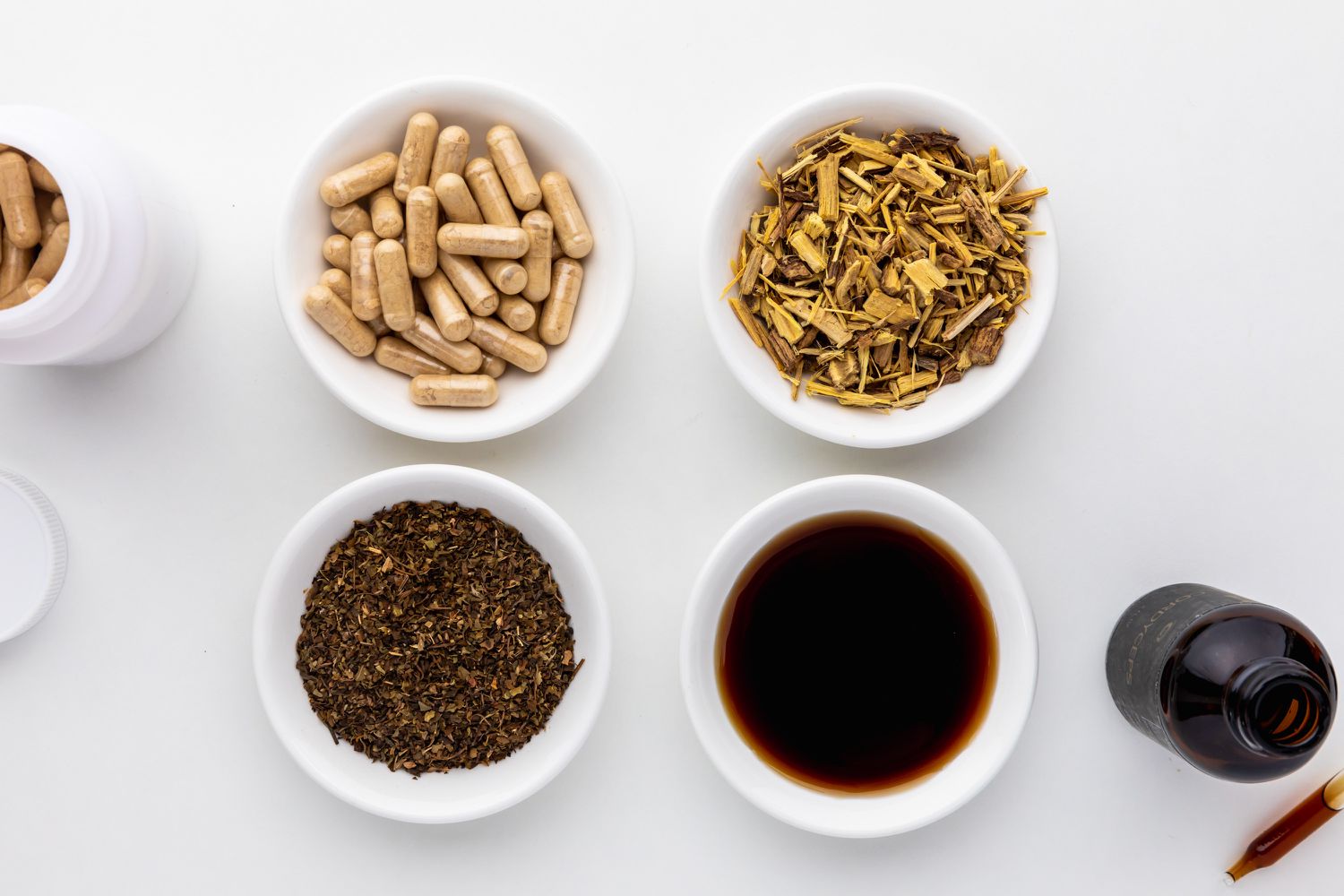
To maximize benefits, adaptogens should be taken cyclically—for example, 6-8 weeks on and 2 weeks off—to prevent physiological tolerance. They can be consumed in capsules, tinctures, or powdered blends, depending on preference.
-
Morning Use: Rhodiola or Ginseng for alertness and energy.
-
Evening Use: Ashwagandha or Schisandra for relaxation and recovery.
-
During High Stress: Eleutherococcus for endurance and stability.
Quality sourcing is crucial. Look for standardized extracts with verified active compounds (e.g., 3% rosavins in Rhodiola, 5% withanolides in Ashwagandha) to ensure efficacy and consistency.
Safety and Long-Term Considerations
Adaptogens are generally safe for most adults when used as directed. However, individuals with autoimmune disorders, endocrine issues, or pregnancy should consult a healthcare provider before supplementation. The adaptability of these botanicals also means dosage and combinations may vary depending on the user’s stress profile, lifestyle, and goals.
Conclusion: A New Frontier in Resilient Health
Adaptogenic supplements represent the next generation of bioadaptive nutrition. They offer a natural yet scientifically validated way to optimize stress response, enhance cognitive function, and protect against burnout. As research continues, adaptogens are expected to play an even larger role in neuroendocrine health, longevity, and performance optimization—bridging ancient herbal wisdom with cutting-edge biochemistry.
Frequently Asked Questions (FAQs)
1. Can adaptogens be combined with nootropics?
Yes, many adaptogens pair well with nootropics to enhance focus, reduce mental fatigue, and stabilize mood without overstimulation.
2. How long does it take to notice adaptogenic effects?
Results vary, but most users experience noticeable changes in energy, mood, and stress tolerance within 10–21 days of consistent use.
3. Are adaptogens safe for long-term use?
Generally, yes. However, cycling them every few months helps prevent tolerance and maintains optimal responsiveness.
4. Can I use adaptogens alongside caffeine?
Yes, but moderation is key. Combining Rhodiola or Ginseng with caffeine can provide a smoother energy curve without jitters.
5. Are synthetic adaptogens available?
While most are botanical, some research focuses on synthetic analogs designed to mimic adaptogenic effects at a molecular level.
6. Which adaptogen is best for sleep and anxiety?
Ashwagandha and Schisandra are most effective for promoting calmness, lowering cortisol, and supporting restorative sleep.
7. Do adaptogens interact with medications?
Certain adaptogens may alter the metabolism of pharmaceuticals. Consulting a healthcare professional before combining them with medication is strongly advised.
