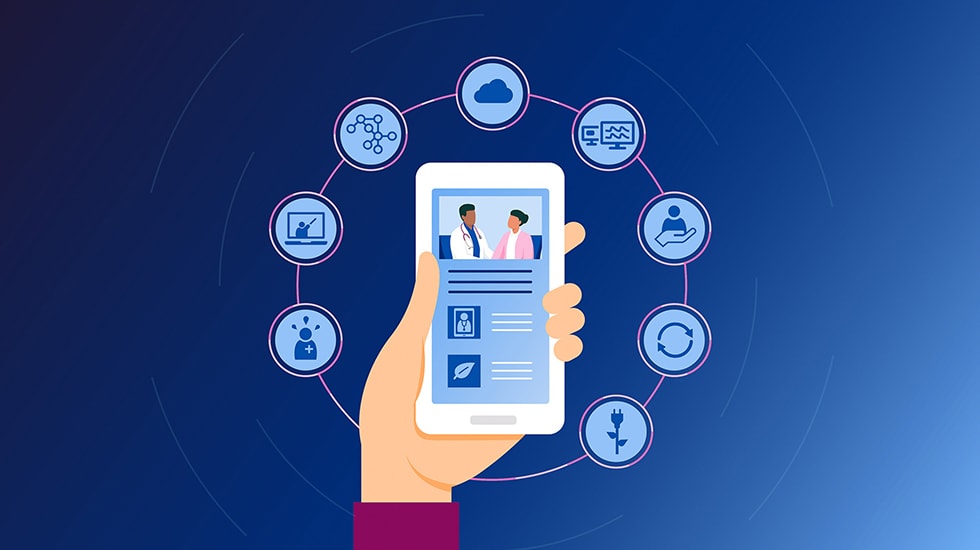
Healthcare has undergone a radical transformation in recent years, and one of the most significant developments is the emergence of the online medical clinic. Digital access to health services is now more than a convenience—it’s becoming a cornerstone of modern healthcare delivery. As people increasingly turn to technology for everything from grocery shopping to banking, it’s only natural that medical care would follow suit. The online medical clinic model is redefining how, when, and where patients receive care, offering new pathways to support physical and mental well-being in ways traditional clinics simply can’t replicate.
A New Era of Patient-Centered Healthcare
Patients today are looking for more than a diagnosis—they want convenience, control, and comfort. The online medical clinic addresses all three. These platforms allow individuals to consult with licensed healthcare professionals from their own homes, at times that suit their schedules. For those in rural areas or those with mobility challenges, this digital transformation isn’t just beneficial; it’s essential. Traditional healthcare models often come with wait times, travel costs, and a lack of flexibility. Online clinics bypass these issues by offering virtual visits that bring the doctor directly to the patient’s screen.
This model is particularly effective for managing chronic illnesses, refilling prescriptions, handling mental health care, and even managing urgent care situations when non-emergency conditions arise. A well-designed online medical clinic doesn’t aim to replace traditional healthcare but to augment it, offering fast access and continuity of care for non-life-threatening conditions. Patients no longer need to spend time in crowded waiting rooms or make repeat visits for minor follow-ups. Instead, they can connect through a secure platform, often within minutes, and receive the same quality of attention they would during an in-person visit.
Privacy and security are central to the success of this model. Online medical clinics are governed by the same regulations that guide in-person services, meaning patient records and personal health information are carefully protected. With encryption, authentication procedures, and regulated data storage, users can trust that their interactions remain confidential.
Technology Powering the Online Medical Clinic Experience
What makes an online medical clinic effective is the seamless use of technology to replicate the in-person visit experience. From appointment scheduling to diagnostic assessments, technology acts as both the bridge and the backbone of these services. Patients typically log into a platform that uses AI-assisted triage systems to match them with the appropriate healthcare provider. These tools analyze the user’s symptoms in real-time, prioritizing cases based on urgency and specialization.
Video conferencing is the primary medium for consultations, allowing doctors and patients to engage in face-to-face dialogue. This fosters a level of personal connection that’s often missing from phone-based services. Some clinics also integrate wearable device data, allowing doctors to monitor vitals like heart rate, glucose levels, and sleep patterns remotely. This approach not only provides a more accurate picture of a patient’s condition but also reduces the need for physical visits.
The flexibility of an online medical clinic means it can operate outside of regular business hours. For individuals juggling full-time work, family obligations, or multiple jobs, being able to access healthcare during evenings or weekends can be a game-changer. Additionally, the cost of services provided by online medical clinics is often lower than their in-person counterparts. Without the overhead of office space, maintenance, and full-time support staff, clinics can pass those savings directly to patients, expanding access to those who might have previously avoided care due to financial limitations.
Another advantage of this model is the ease of follow-up care. Whether it’s reviewing test results, adjusting medications, or continuing therapy, everything can be managed digitally, reducing the likelihood of missed appointments and improving health outcomes overall. With automatic reminders and secure messaging systems, patients are more likely to stay engaged in their treatment plans.
Challenges and Trust in the Digital Health Movement
While the benefits of the online medical clinic model are clear, it’s important to acknowledge the challenges that come with it. One of the main concerns is ensuring the accuracy of diagnosis when physical exams are not possible. Not every condition can be effectively evaluated through a screen, which is why reputable platforms build in safeguards and referral systems that direct patients to in-person facilities when necessary.
Another barrier is digital literacy. While smartphones and internet access are common, not all patients are comfortable navigating virtual systems. This can be especially true for older adults who may need assistance using new technology. For online medical clinics to be truly accessible, they must design user-friendly interfaces and offer support systems that help patients through every step of the process.
Trust is also a factor. Many people still equate quality healthcare with face-to-face interactions and physical examinations. Online medical clinics must work harder to establish credibility by hiring qualified professionals, being transparent about services, and consistently delivering quality care. Word of mouth, online reviews, and regulatory certifications play a big role in reassuring users that they are in safe hands.
Despite these challenges, the online medical clinic model is rapidly gaining acceptance. As more patients experience the convenience and effectiveness of digital care, the hesitation begins to fade. Providers are also seeing the benefits. Physicians working in online settings often report higher job satisfaction, better work-life balance, and the ability to serve a wider range of patients.
Future Trends and Integration with Traditional Systems
The future of healthcare will not be entirely virtual, but online medical clinics will continue to grow as an essential part of the ecosystem. Hybrid models are emerging, where patients receive a mix of in-person and digital care based on their needs. A patient might see a doctor online for initial consultations and follow-ups but visit a physical clinic for lab work or imaging. This integrated approach ensures comprehensive care without compromising on efficiency or convenience.
Artificial intelligence and machine learning will also play larger roles in the evolution of online medical clinics. Predictive analytics could help in identifying at-risk patients, offering preventive care before issues escalate. As data continues to be collected and analyzed, care providers can become more proactive, rather than reactive.
Policy makers and insurance companies are beginning to support this shift by updating reimbursement structures and investing in telehealth infrastructure. With regulatory support, more people will have access to online medical clinic services through public and private health plans. This transition marks a broader move toward equitable care access across demographics, especially in underserved areas.
The ability to offer consistent, personalized care through a screen will never fully replace the human touch of traditional medicine, but it’s proving to be a powerful supplement. As people become more comfortable managing their health digitally, the online medical clinic will continue to bridge the gap between patient needs and medical access, reshaping how care is delivered around the world.
