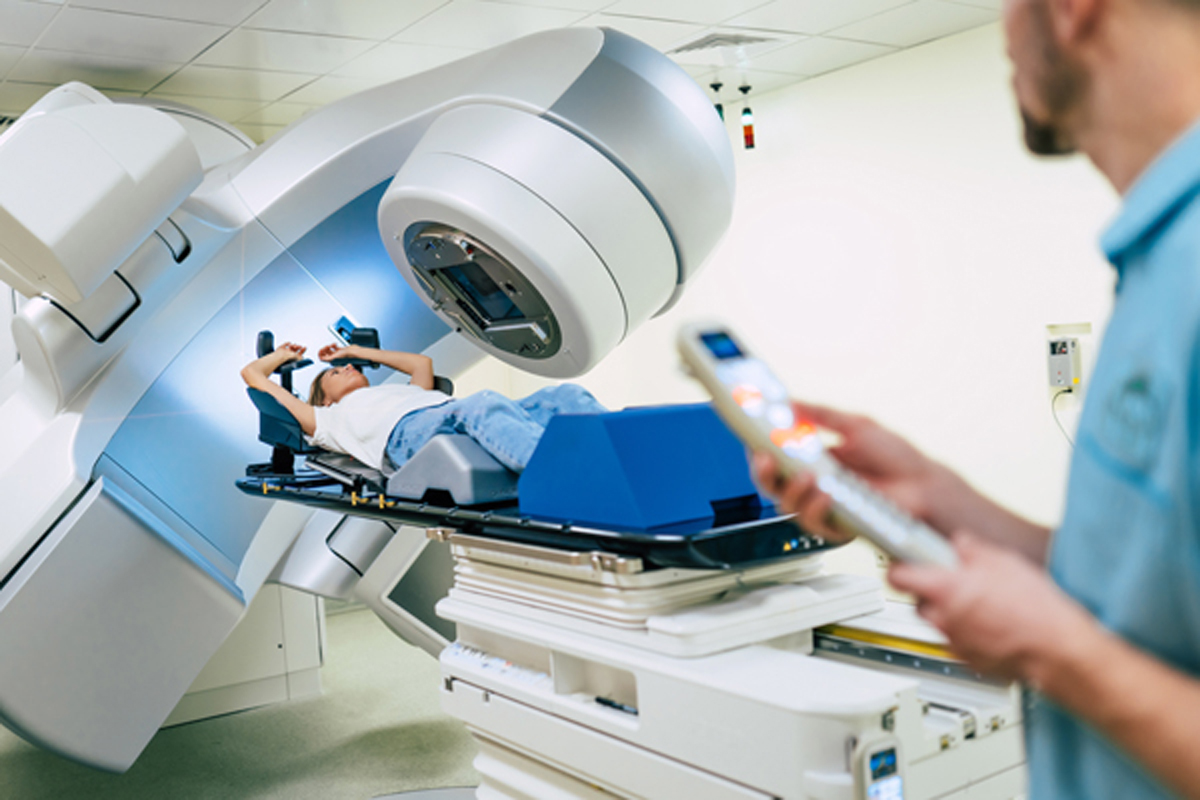
In the rapidly evolving world of oncology, the concept of “one-size-fits-all” treatment has become obsolete. The emergence of precision combination therapies—especially those merging sequential ablation techniques with immunomodulation—is transforming the way clinicians approach refractory metastatic melanoma and other treatment-resistant cancers. This new era of personalized intervention integrates advanced imaging, molecular profiling, and immune reprogramming to achieve outcomes that traditional therapies rarely deliver.
Understanding the Shift Toward Precision Combination Therapy
Traditional cancer treatments, such as chemotherapy and radiation, have long been the backbone of oncology. However, their nonspecific nature often damages healthy cells and leads to severe side effects. Precision combination therapy, on the other hand, operates on a biologically targeted model—selectively eradicating malignant cells while preserving normal tissue integrity.
By using a data-driven, patient-specific approach, oncologists can design treatment regimens that exploit the vulnerabilities unique to each tumor. This method integrates genomic sequencing, immunoprofiling, and real-time response monitoring to continually adapt treatment as the disease evolves.
Key Components of Precision Combination Therapy
-
Sequential Ablation Techniques – Non-invasive methods such as radiofrequency ablation (RFA), cryoablation, and high-intensity focused ultrasound (HIFU) precisely target and destroy cancer cells while sparing adjacent structures.
-
Immunomodulatory Agents – Drugs like checkpoint inhibitors (PD-1/PD-L1 blockers) and cytokine modulators reprogram the immune system to recognize and destroy residual cancer cells.
-
Molecular Targeting – Agents designed to inhibit specific genetic mutations or pathways—such as BRAF, MEK, or KRAS—can be combined with physical ablation for synergistic effects.
-
Theranostic Imaging – Advanced imaging tools simultaneously diagnose and treat tumors by tracking molecular activity and guiding ablation in real time.
Sequential Ablation and Its Role in Tumor Eradication
Sequential ablation represents the first stage of this hybrid treatment strategy. Rather than relying on a single ablation session, physicians perform staged ablations that strategically debulk the tumor while preserving immune-stimulatory antigens.
This controlled destruction of tumor tissue triggers the release of neoantigens—unique molecular markers that signal the immune system to recognize cancer cells as threats. This phenomenon, known as in situ vaccination, becomes a critical bridge between physical destruction and immune activation.
Benefits of Sequential Ablation
-
Localized precision: Reduces systemic toxicity compared to chemotherapy.
-
Immunogenic cell death: Stimulates immune recognition of cancer cells.
-
Synergy with immunotherapy: Prepares the body for stronger responses to checkpoint inhibitors.
-
Reduced recurrence: Gradual ablation reduces the likelihood of tumor regrowth by addressing micrometastases.
Immunomodulation: Awakening the Body’s Defense Mechanism
Following ablation, the immune system is “primed” for activation. This is where immunomodulation plays its most pivotal role. By using agents such as nivolumab, pembrolizumab, or ipilimumab, clinicians can amplify the immune response already initiated by tumor antigen exposure.
Immunomodulation goes beyond mere stimulation—it involves reprogramming immune checkpoints, reducing regulatory T-cell suppression, and enhancing cytotoxic T-cell activity. This creates a systemic anti-tumor environment, capable of targeting both the primary lesion and distant metastases.
Emerging Immunomodulatory Approaches
-
Oncolytic viruses that selectively infect and lyse tumor cells while alerting immune cells.
-
Adoptive T-cell therapies, including CAR-T and TIL (Tumor-Infiltrating Lymphocyte) approaches, tailored to individual antigen profiles.
-
Cytokine cocktails designed to boost the pro-inflammatory environment within the tumor microenvironment.
-
Nanoparticle-based immunostimulants delivering precise doses of immune agents to targeted tissues.
Synergistic Power: Why Combination Matters
Neither ablation nor immunotherapy alone achieves the durable responses seen with their combination. The synergy lies in their complementary actions: ablation exposes tumor antigens and disrupts the tumor’s immunosuppressive barrier, while immunotherapy activates immune cells to sustain and expand the attack.
This combined strategy addresses two major obstacles in oncology:
-
Tumor heterogeneity – Cancers consist of multiple subclones with different mutations. Sequential ablation targets localized growths while immunotherapy handles unseen variants.
-
Immune escape mechanisms – Some tumors suppress immune cells. Immunomodulators reverse this suppression, keeping the immune system engaged.
Clinical data shows that patients with refractory metastatic melanoma who undergo ablation followed by checkpoint blockade demonstrate significant survival improvements, with reduced relapse rates and enhanced quality of life.
The Role of Artificial Intelligence in Treatment Personalization
Artificial Intelligence (AI) has become indispensable in optimizing these multi-step treatment strategies. AI algorithms analyze large datasets encompassing genomic sequences, radiomic features, and immunological markers to predict response likelihood and toxicity risks.
Applications of AI in Precision Oncology
-
Predictive modeling for therapy response based on molecular signatures.
-
Adaptive dose optimization, ensuring effective yet minimally toxic regimens.
-
Real-time image interpretation during ablation procedures for accuracy.
-
Digital pathology integration, linking microscopic features with genomic data to refine treatment decisions.
AI not only enhances precision but also accelerates research by identifying previously unrecognized biomarkers associated with therapeutic success.
Overcoming Resistance in Treatment-Refractory Tumors
One of the most significant challenges in oncology is drug resistance. Tumors adapt through clonal evolution, gene amplification, or immune evasion. Precision combination therapy aims to disrupt resistance circuits by attacking tumors on multiple fronts—molecular, cellular, and systemic.
Mechanisms Addressed by Combination Therapies
-
Adaptive mutations neutralized by multi-targeted kinase inhibitors.
-
Immune evasion countered by checkpoint blockade and cytokine therapy.
-
Tumor microenvironment remodeling through agents that normalize aberrant vasculature and reoxygenate tissues.
-
Epigenetic modulation reactivating silenced tumor suppressor genes.
By addressing resistance mechanisms in real time, clinicians can prolong remission periods and reduce the risk of metastatic resurgence.
The Future Landscape of Personalized Oncology
The future of treatment lies in adaptive, multi-modal protocols guided by real-time data. Instead of static regimens, oncologists will soon employ dynamically evolving treatment algorithms that respond instantly to biological feedback.
Anticipated Advancements
-
Integration of liquid biopsies for continuous monitoring of tumor DNA.
-
Use of bioengineered scaffolds for localized drug delivery.
-
Expansion of AI-guided immunotherapy selection for precision targeting.
-
Development of hybrid imaging-ablation devices for simultaneous diagnosis and treatment.
As precision combination therapies become more accessible, patients will experience not only longer survival but also a dramatically improved quality of life.
Conclusion
The evolution of cancer care is moving toward a model where precision, adaptability, and synergy define success. The combination of sequential ablation with immunomodulation exemplifies how merging technological innovation with biological insight can outsmart even the most resilient forms of cancer. This strategy represents not just a treatment method but a revolutionary philosophy—treating every patient as a unique biological system, worthy of a uniquely crafted therapeutic journey.
Frequently Asked Questions (FAQ)
1. How does sequential ablation differ from traditional ablation methods?
Sequential ablation involves staged, controlled destruction of tumor tissue to stimulate immune recognition, unlike single-session ablation that focuses solely on removal.
2. Can precision combination therapy be used for cancers other than melanoma?
Yes. It’s increasingly being explored in liver, lung, and renal cancers, especially those resistant to standard chemotherapy.
3. Is AI already used in clinical oncology or still experimental?
AI-assisted analysis and decision-support tools are already in clinical use, primarily in radiology, pathology, and treatment planning systems.
4. What are the side effects of combining ablation and immunotherapy?
Side effects can include localized inflammation, fever, and immune-related reactions, but they’re generally milder than those from systemic chemotherapy.
5. How is treatment response monitored during combination therapy?
Through imaging (MRI, PET), biomarker tracking, and circulating tumor DNA analysis for real-time assessment.
6. Does immunomodulation work for all patients?
Not universally. Its success depends on individual immune profiles and tumor genetics, which is why personalization is essential.
7. What’s the biggest barrier to making precision combination therapy mainstream?
Cost, limited infrastructure for genomic testing, and the need for interdisciplinary collaboration between oncologists, immunologists, and data scientists.
