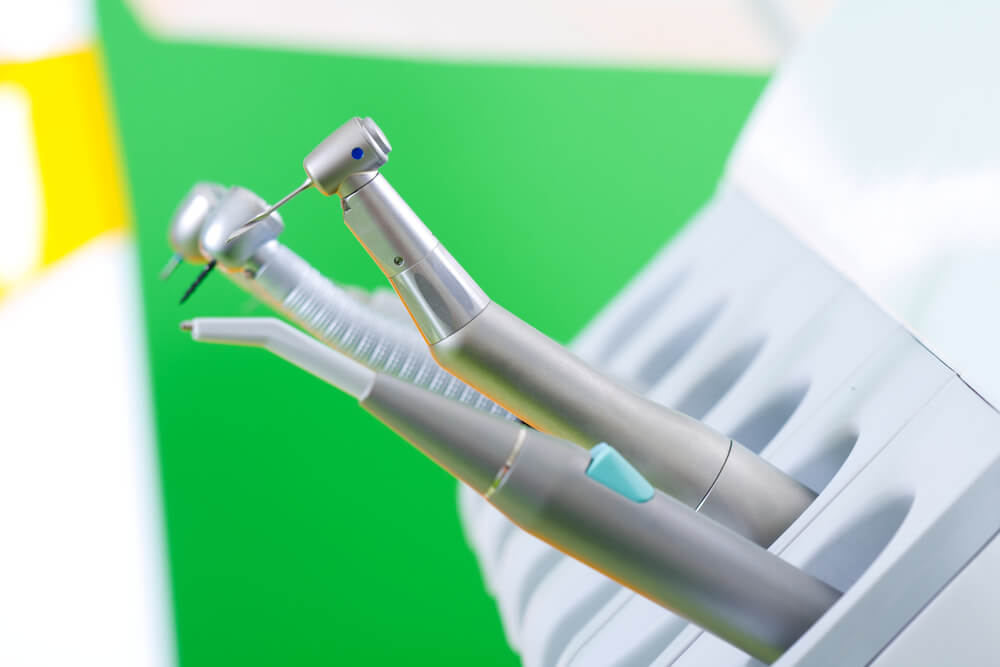
Choosing a dental handpiece is one of the more consequential purchasing decisions a practice makes. These instruments are used in almost every clinical procedure — from crown preparation and cavity work to endodontics and prophylaxis — and the wrong choice affects procedure efficiency, clinician comfort, and equipment longevity simultaneously. Yet it’s a decision many practices make based on brand familiarity alone, without considering the full range of factors that determine value over time.
The Australian dental equipment market offers a broad range of options across speed, drive type, manufacturer, and application. Before purchasing, it’s worth understanding how each category works, what features matter in a clinical context, and how to factor in long-term maintenance costs. Practices looking to source handpieces locally can explore available models through specialist dental handpiece suppliers, where stock is supported by in-house technical expertise — a meaningful advantage when compatibility questions arise.
This guide covers the core handpiece categories, the technical specifications that influence clinical performance, and the questions worth asking before committing to a purchase.
Understanding the Main Handpiece Categories
Dental handpieces are broadly divided into high-speed and low-speed types, though within those categories there is significant variation in drive mechanism, attachment style, and intended application.
High-Speed Handpieces
High-speed handpieces are air-turbine driven instruments operating between 180,000 and 500,000 RPM. They are the primary tool for hard tissue removal — cavity preparation, crown and bridge work, and removal of old restorations. Their defining advantage is cutting efficiency through hard tooth structure. The trade-off is lower torque compared to electric alternatives, which means speed can drop under load, and consistent air delivery from the dental unit is critical for reliable performance.
High-speed handpieces are available in standard and mini head sizes, with or without fibre optic illumination, and in push-button or friction grip chuck configurations. Fibre optic models are generally preferred in restorative work where visibility in posterior regions is a priority.
Low-Speed Handpieces
Low-speed handpieces operate at 5,000 to 40,000 RPM and are used primarily for polishing, finishing, endodontic procedures, and operative dentistry where precise control is required over speed. They are typically air-driven through a motor that accepts interchangeable contra-angle, straight, or prophy head attachments, which makes them versatile across a broad range of procedures without requiring separate instruments.
Contra-angle attachments are the most commonly used configuration in general practice. Straight handpieces are typically used for laboratory or surgical applications. Selecting a low-speed system that accepts widely available head attachments gives practices more flexibility over time as clinical needs evolve.
Electric Handpieces
Electric handpieces use a brushless electric motor rather than compressed air, which produces consistent torque across the full speed range. This is a meaningful clinical advantage for restorative procedures where the handpiece needs to maintain cutting speed under load without stalling. Electric systems also tend to operate more quietly than air-turbine handpieces, which can contribute to a calmer clinical environment. The primary consideration is cost — electric systems carry a higher upfront investment — and the motor unit and head attachments must be compatible.
Air-Driven vs Electric: The Practical Decision
The air-driven versus electric debate is one of the most common questions practices face when updating equipment. The answer depends more on the mix of procedures performed than on a general preference for one technology.
Air-driven turbines are the established standard in most Australian general practices. They are lower in initial cost, widely supported by local service providers, and compatible with most dental unit delivery systems already in place. For practices doing primarily general restorative work, air-turbines are a practical default.
Electric systems become more justifiable in practices with a higher volume of complex restorative, prosthetic, or endodontic procedures where torque consistency directly affects outcome quality. Some clinicians who have moved to electric report reduced procedure times for crown preparations, though this benefit is procedure-dependent. From a maintenance standpoint, electric motors have fewer consumable components but require motor servicing at intervals recommended by the manufacturer.
Key Specifications to Evaluate Before Buying
Beyond drive type and speed range, several other specifications influence how a handpiece performs over time:
- Head size: Standard heads provide better visibility in anterior regions; mini heads improve access in posterior areas. The right choice depends on your most common procedures.
- Chuck type: Push-button chucks allow fast bur changes, which matters in high-volume practice environments. Friction grip chucks are simpler mechanically but slower to operate.
- Fibre optic illumination: LED illumination in the handpiece head reduces shadow and improves visibility significantly in posterior work. It is now standard on most mid-range and premium models.
- Coupling compatibility: Handpieces connect to the dental unit via a coupling (2-hole, 4-hole, or 6-hole configurations depending on manufacturer). Compatibility with your existing dental unit must be confirmed before purchase.
- Autoclave compatibility: Confirm the maximum sterilisation temperature and cycle compatibility. This affects both infection control compliance and equipment longevity.
Manufacturer Considerations for the Australian Market
The Australian market is well served by most of the major international manufacturers. KaVo, NSK, W&H, Sirona, and Morita are the most widely represented brands in established practices, with established local service infrastructure and parts availability. Newer entrants such as Saeshin, Coxo, and BA International offer competitive pricing at the mid-to-entry level, though parts availability and local service support are worth investigating before committing.
Brand choice has downstream implications for maintenance. A handpiece from a manufacturer with broad local service coverage is easier and faster to have serviced — an important operational consideration when a single handpiece failure can affect an entire day’s schedule. Before purchasing a less-common brand purely on price, confirm that a qualified service provider in your region can work on it and that replacement parts are locally stocked.
Factoring in Lifecycle Cost, Not Just Purchase Price
The purchase price of a handpiece is only part of the true cost of ownership. Ongoing maintenance, replacement parts, and service turnaround time all contribute to the total cost over the instrument’s working life. A handpiece that costs less to buy but requires expensive components or extended repair times may cost more over three to five years than a premium unit with lower servicing costs and faster turnaround.
Preventative maintenance is the most cost-effective lever available to practices. Regular professional servicing — typically every six to twelve months depending on volume — catches bearing wear, chuck degradation, and seal deterioration before they cause full failure. The cost of a scheduled service is a fraction of an emergency repair, and emergency repairs typically involve the additional cost of lost procedure time while the instrument is off-site.
When evaluating handpiece options, ask suppliers about estimated service intervals, parts availability, and typical repair costs for that model. A supplier who can’t answer those questions clearly is worth approaching with caution.
How Many Handpieces Does a Practice Actually Need?
Infection control requirements mean handpieces must be sterilised between patients, and sterilisation cycles take time. In practice, this means a single-surgery practice needs a minimum of three to five handpieces to maintain appointment throughput without delays between patients. The exact number depends on autoclave cycle time and appointment scheduling density.
Having a rotation of instruments also reduces the wear rate on any single unit, which directly extends working life. Practices that run a single handpiece per surgery until failure consistently experience more downtime and higher per-unit repair costs than those with a managed rotation. Treating handpieces as a fleet to be maintained, rather than individual instruments to be used until broken, is the more operationally sound approach.
Making the Right Purchase Decision
The best dental handpiece for a given practice depends on procedure mix, existing delivery system compatibility, team ergonomic preferences, and the service infrastructure available in the region. Speed range and drive type matter, but so does access to qualified technicians who can service the instrument quickly when needed.
Before purchasing, confirm coupling compatibility with your existing dental unit, verify that the manufacturer’s recommended sterilisation settings are compatible with your autoclave, and establish what local servicing support is available for that model. A handpiece bought without those checks can create ongoing operational friction that far outweighs any upfront saving.
For practices replacing existing units, it’s also worth having the old handpieces assessed before disposal. Many instruments that appear beyond use are repairable, and a professional assessment can determine whether repair or replacement represents better value in each case.
